Buy designcoach.eu ?
We are moving the project
designcoach.eu .
Are you interested in purchasing the domain
designcoach.eu ?
domain@kv-gmbh.de · 0541-91531010
Buy designcoach.eu ?
Which kanji represents "dream"?
The kanji that represents "dream" is 夢. It is pronounced as "yume" in Japanese. This kanji is often used in words related to dreams, aspirations, and imagination. It is a common symbol in Japanese culture and literature. **
Where is Kanji spoken?
Kanji is a system of writing used in the Japanese language. It is not a spoken language itself, but rather a writing system that is used alongside the spoken Japanese language. Kanji characters are used in Japan and are an integral part of the Japanese writing system, along with hiragana and katakana. Therefore, Kanji is spoken in Japan as part of the Japanese language. **


Similar search terms for Kanji
Top-Angebote
Products related to Kanji:
-
Sesderma Reti Age 5 Liposomal Serum Anti-Aging Innovation 30mLA facial serum for wrinkles and signs of ageing. Reduces wrinkles and fine lines. Hydrates and strengthens barrier. Restores youthful radiance. 5-Retinoid System: smooths wrinkles, accelerates renewal, and boosts collagen. Biomimetic Peptides: fill expression lines by stimulating collagen synthesis.53,26 £*Shipping: 5,22 £Secure redirect to the provider
-
Inspired Deals Racing Style Car Body Sticker Decal For Sports Cars & Auto Customization silverTransform your vehicle from ordinary to eyecatching in minutes. This stylish car body sticker is designed for drivers who want a sportier, more dynamic look without expensive modifications. Featuring a bold racinginspired design, it instantly adds...39,97 $*Shipping: 0,00 $Secure redirect to the provider
-
Sagebrook Home Hennie Black & White Glass Vase CraftsmanshipElevate your space with the essence of elegance through Sagebrook Home's exquisite glass vase. Expertly crafted from the finest materials, this delicate piece is a testament to timeless beauty, poised to enhance any bouquet.79,99 $*Shipping: 0,00 $Secure redirect to the provider



-
What are Kanji in Japanese?
Kanji are characters borrowed from Chinese characters that are used in the Japanese writing system. They are logographic characters that represent words or ideas, and are an essential part of written Japanese. Kanji characters can have multiple readings and meanings, which can make them challenging to learn and use. Learning Kanji is an important aspect of mastering the Japanese language. **
-
How many Kanji per day?
The number of Kanji characters a person can learn per day varies depending on individual learning abilities and dedication. Some people may be able to learn 5-10 Kanji characters per day, while others may find it more manageable to learn 1-3 characters per day. It is important to find a pace that works best for you and allows for consistent practice and retention of the characters. Consistency and regular practice are key to successfully learning Kanji characters. **
-
How can one learn Kanji?
Learning Kanji can be a challenging task, but there are several effective methods to help with the process. One common approach is to use flashcards or mnemonic devices to memorize the characters and their meanings. Additionally, practicing writing Kanji characters regularly can help reinforce your memory. It is also beneficial to study Kanji in context by reading Japanese texts or using language learning resources that incorporate Kanji into sentences and phrases. Consistent practice and exposure to Kanji in various contexts are key to mastering this aspect of the Japanese language. **
-
Can't you remember Kanji as vocabulary?
While it is possible to remember Kanji characters as vocabulary, it is important to note that Kanji characters often have multiple readings and meanings depending on the context in which they are used. Therefore, it is beneficial to learn Kanji characters in conjunction with vocabulary words to fully understand their usage. Additionally, learning Kanji characters as part of vocabulary words can help reinforce their meanings and readings in a more practical and contextual manner. **

Are these the correct Kanji translations?
Without the specific Kanji translations provided, it is difficult to determine if they are correct. Kanji characters can have multiple meanings and readings, so it is important to have the context in which they are being used. It is recommended to double-check the translations with a reliable source or a native speaker to ensure accuracy. **
How can one systematically learn Kanji?
One way to systematically learn Kanji is to use a structured approach such as the one provided by the Japanese Language Proficiency Test (JLPT) levels. Start by learning the most commonly used Kanji for each level and gradually build up your knowledge as you progress. It's also helpful to use resources such as textbooks, flashcards, and online tools to practice writing, reading, and recognizing Kanji characters. Additionally, breaking down Kanji into radicals and understanding their meanings and readings can also aid in systematic learning. Consistent practice and exposure to Kanji in context through reading and writing will also help reinforce your learning. **
Top-Angebote
Products related to Kanji:
-
Pan Make Brilliant Work: Lessons on Creativity, Innovation and Success by Rod Judkins - Paperback - Self-Help/Business Creativity Guide, Author ofMake Brilliant Work is an inspiring guide by Rod Judkins, drawing on the real-life stories of visionaries from Frida Kahlo to Steve Jobs. This paperback book reveals the methods and mindsets that turn ordinary effort into extraordinary results. Judkins proves that talent alone never guaranteed success — persistence, risk-taking and original thinking did. A motivating read for anyone wanting to unlock their creative potential at work or in life. The book profiles figures who failed at school, were told they lacked talent, or were fired more than once, yet went on to achieve great things. Written by Rod Judkins, published by Pan Macmillan, this book is a reassuring truth: you don't have to be naturally brilliant to produce brilliant work.2,99 £*Shipping: 2,99 £Secure redirect to the provider
-
EORC Gray Hand-Woven Wool Contemporary Natural Wool Flat Area Rug - Modern Elegance and Timeless CraftsmanshipIntroducing the Gray Hand-Woven Wool Contemporary Natural Wool Flat Area Rug, a stunning blend of modern elegance and timeless craftsmanship.464,11 $*Shipping: 0,00 $Secure redirect to the provider
-
Sesderma Reti Age 5 Liposomal Serum Anti-Aging Innovation 30mLA facial serum for wrinkles and signs of ageing. Reduces wrinkles and fine lines. Hydrates and strengthens barrier. Restores youthful radiance. 5-Retinoid System: smooths wrinkles, accelerates renewal, and boosts collagen. Biomimetic Peptides: fill expression lines by stimulating collagen synthesis.53,26 £*Shipping: 5,22 £Secure redirect to the provider
-
Which kanji represents "dream"?
The kanji that represents "dream" is 夢. It is pronounced as "yume" in Japanese. This kanji is often used in words related to dreams, aspirations, and imagination. It is a common symbol in Japanese culture and literature. **
-
Where is Kanji spoken?
Kanji is a system of writing used in the Japanese language. It is not a spoken language itself, but rather a writing system that is used alongside the spoken Japanese language. Kanji characters are used in Japan and are an integral part of the Japanese writing system, along with hiragana and katakana. Therefore, Kanji is spoken in Japan as part of the Japanese language. **
-
What are Kanji in Japanese?
Kanji are characters borrowed from Chinese characters that are used in the Japanese writing system. They are logographic characters that represent words or ideas, and are an essential part of written Japanese. Kanji characters can have multiple readings and meanings, which can make them challenging to learn and use. Learning Kanji is an important aspect of mastering the Japanese language. **
-
How many Kanji per day?
The number of Kanji characters a person can learn per day varies depending on individual learning abilities and dedication. Some people may be able to learn 5-10 Kanji characters per day, while others may find it more manageable to learn 1-3 characters per day. It is important to find a pace that works best for you and allows for consistent practice and retention of the characters. Consistency and regular practice are key to successfully learning Kanji characters. **
Similar search terms for Kanji
-
Inspired Deals Racing Style Car Body Sticker Decal For Sports Cars & Auto Customization silverTransform your vehicle from ordinary to eyecatching in minutes. This stylish car body sticker is designed for drivers who want a sportier, more dynamic look without expensive modifications. Featuring a bold racinginspired design, it instantly adds...39,97 $*Shipping: 0,00 $Secure redirect to the provider
-
Sagebrook Home Hennie Black & White Glass Vase CraftsmanshipElevate your space with the essence of elegance through Sagebrook Home's exquisite glass vase. Expertly crafted from the finest materials, this delicate piece is a testament to timeless beauty, poised to enhance any bouquet.79,99 $*Shipping: 0,00 $Secure redirect to the provider
-
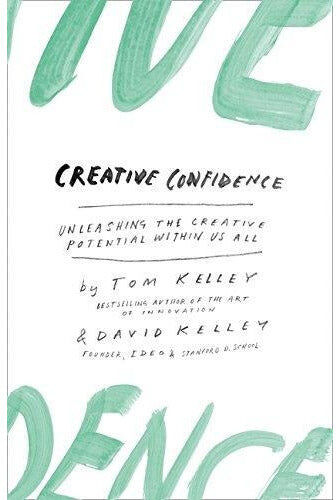
HARPERCOLLINS Creative Confidence by Tom & David Kelley – Unleashing Your Creative Potential & Innovation MindsetA powerful and inspiring book from the founders of IDEO, the award-winning design firm, on unleashing the creativity that lies within each and every one of us. Too often, companies and individuals assume that creativity and innovation are the domain of the ‘creative types’. But two of the foremost experts in innovation, design and creativity on the planet show us that each and every one of us is creative. In an entertaining and inspiring narrative that draws on countless stories from their work at IDEO, and with many of the world's top companies and design firms, David and Tom Kelley identify the principles and strategies that will allow us to tap into our creative potential in our work lives, and in our personal lives, allow us to think outside the box in terms of how we approach and solve problems. ‘Creative Confidence’ is a book that will help each of us be more productive and successful in our lives and in our careers.4,95 £*Shipping: 1,99 £Secure redirect to the provider
-
How can one learn Kanji?
Learning Kanji can be a challenging task, but there are several effective methods to help with the process. One common approach is to use flashcards or mnemonic devices to memorize the characters and their meanings. Additionally, practicing writing Kanji characters regularly can help reinforce your memory. It is also beneficial to study Kanji in context by reading Japanese texts or using language learning resources that incorporate Kanji into sentences and phrases. Consistent practice and exposure to Kanji in various contexts are key to mastering this aspect of the Japanese language. **
-
Can't you remember Kanji as vocabulary?
While it is possible to remember Kanji characters as vocabulary, it is important to note that Kanji characters often have multiple readings and meanings depending on the context in which they are used. Therefore, it is beneficial to learn Kanji characters in conjunction with vocabulary words to fully understand their usage. Additionally, learning Kanji characters as part of vocabulary words can help reinforce their meanings and readings in a more practical and contextual manner. **
-
Are these the correct Kanji translations?
Without the specific Kanji translations provided, it is difficult to determine if they are correct. Kanji characters can have multiple meanings and readings, so it is important to have the context in which they are being used. It is recommended to double-check the translations with a reliable source or a native speaker to ensure accuracy. **
-
How can one systematically learn Kanji?
One way to systematically learn Kanji is to use a structured approach such as the one provided by the Japanese Language Proficiency Test (JLPT) levels. Start by learning the most commonly used Kanji for each level and gradually build up your knowledge as you progress. It's also helpful to use resources such as textbooks, flashcards, and online tools to practice writing, reading, and recognizing Kanji characters. Additionally, breaking down Kanji into radicals and understanding their meanings and readings can also aid in systematic learning. Consistent practice and exposure to Kanji in context through reading and writing will also help reinforce your learning. **
* All prices are inclusive of VAT and, if applicable, plus shipping costs. The offer information is based on the details provided by the respective shop and is updated through automated processes. Real-time updates do not occur, so deviations can occur in individual cases. ** Note: Parts of this content were created by AI.