Buy designcoach.eu ?
We are moving the project
designcoach.eu .
Are you interested in purchasing the domain
designcoach.eu ?
domain@kv-gmbh.de · 0541-91531010
Buy designcoach.eu ?
Are bacteria living organisms? Are viruses living organisms?
Yes, bacteria are living organisms. They are single-celled microorganisms that can reproduce, metabolize, and respond to their environment. On the other hand, viruses are not considered living organisms. They are acellular entities that require a host cell to replicate and do not have the characteristics of living organisms such as metabolism or the ability to reproduce on their own. **
What is the difference between autotrophic organisms and heterotrophic organisms?
Autotrophic organisms are able to produce their own food through processes like photosynthesis or chemosynthesis, using energy from sunlight or inorganic compounds. Heterotrophic organisms, on the other hand, cannot produce their own food and must obtain nutrients by consuming other organisms or organic matter. This fundamental difference in how they obtain energy and nutrients is what distinguishes autotrophic and heterotrophic organisms. **


Similar search terms for Organisms
Top-Angebote
Products related to Organisms:
-
EORC Gray Hand-Woven Wool Contemporary Natural Wool Flat Area Rug - Modern Elegance and Timeless CraftsmanshipIntroducing the Gray Hand-Woven Wool Contemporary Natural Wool Flat Area Rug, a stunning blend of modern elegance and timeless craftsmanship.979,49 $*Shipping: 0,00 $Secure redirect to the provider
-
Sesderma Reti Age 5 Liposomal Serum Anti-Aging Innovation 30mLA facial serum for wrinkles and signs of ageing. Reduces wrinkles and fine lines. Hydrates and strengthens barrier. Restores youthful radiance. 5-Retinoid System: smooths wrinkles, accelerates renewal, and boosts collagen. Biomimetic Peptides: fill expression lines by stimulating collagen synthesis.53,26 £*Shipping: 5,22 £Secure redirect to the provider
-
Inspired Deals Racing Style Car Body Sticker Decal For Sports Cars & Auto Customization blackTransform your vehicle from ordinary to eyecatching in minutes. This stylish car body sticker is designed for drivers who want a sportier, more dynamic look without expensive modifications. Featuring a bold racinginspired design, it instantly adds...39,97 $*Shipping: 0,00 $Secure redirect to the provider


-
Which organisms form endospores?
Endospores are formed by certain types of bacteria, such as Bacillus and Clostridium species. These organisms produce endospores as a survival mechanism in response to unfavorable environmental conditions, such as nutrient depletion or extreme temperatures. Endospores are highly resistant structures that allow these bacteria to remain dormant until conditions become more favorable for growth and reproduction. **
-
Are spores living organisms?
Spores are not considered living organisms because they are dormant structures produced by some organisms, such as fungi, algae, and plants, to aid in reproduction and survival. While spores have the potential to develop into living organisms under suitable conditions, they are metabolically inactive and do not exhibit the characteristics of life, such as growth, reproduction, and response to stimuli, in their dormant state. **
-
Are viruses living organisms?
Viruses are not considered living organisms because they lack the ability to carry out essential life processes on their own. They cannot reproduce, grow, or metabolize without a host cell. While they contain genetic material like DNA or RNA, they are unable to function independently and rely on host cells to replicate and survive. **
-
Are bacteria living organisms?
Yes, bacteria are living organisms. They are single-celled microorganisms that can be found in various environments, including soil, water, and inside the human body. Bacteria exhibit many of the characteristics of living organisms, such as the ability to reproduce, respond to their environment, and carry out metabolic processes to obtain energy. Therefore, they are considered to be living organisms. **

What are transgenic organisms?
Transgenic organisms are organisms that have had foreign genes inserted into their genetic material through genetic engineering techniques. These foreign genes can come from a different species and are typically inserted to give the organism a specific trait or characteristic, such as resistance to pests or diseases, or the ability to produce a certain protein. Transgenic organisms are commonly used in agriculture to improve crop yields and in medicine to produce pharmaceuticals. However, there is ongoing debate about the potential environmental and health impacts of transgenic organisms. **
What are eukaryotic organisms?
Eukaryotic organisms are organisms whose cells have a true nucleus, as well as other membrane-bound organelles such as mitochondria and the endoplasmic reticulum. These organisms can be single-celled or multicellular and include plants, animals, fungi, and protists. Eukaryotic cells are more complex than prokaryotic cells, which lack a true nucleus and membrane-bound organelles. Eukaryotic organisms are found in a wide range of environments and play crucial roles in ecosystems and the biosphere. **
Top-Angebote
Products related to Organisms:
-
Pan Make Brilliant Work: Lessons on Creativity, Innovation and Success by Rod Judkins - Paperback - Self-Help/Business Creativity Guide, Author ofMake Brilliant Work is an inspiring guide by Rod Judkins, drawing on the real-life stories of visionaries from Frida Kahlo to Steve Jobs. This paperback book reveals the methods and mindsets that turn ordinary effort into extraordinary results. Judkins proves that talent alone never guaranteed success — persistence, risk-taking and original thinking did. A motivating read for anyone wanting to unlock their creative potential at work or in life. The book profiles figures who failed at school, were told they lacked talent, or were fired more than once, yet went on to achieve great things. Written by Rod Judkins, published by Pan Macmillan, this book is a reassuring truth: you don't have to be naturally brilliant to produce brilliant work.2,99 £*Shipping: 2,99 £Secure redirect to the provider
-
EORC Hand-Knotted Wool Green Contemporary Transitional Rug - Modern Elegance and Timeless Craftsmanship - 6' x 9'Introducing the Hand-Knotted Wool Green Contemporary Transitional Rug, a stunning fusion of modern elegance and timeless craftsmanship.490,95 $*Shipping: 0,00 $Secure redirect to the provider
-
EORC Gray Hand-Woven Wool Contemporary Natural Wool Flat Area Rug - Modern Elegance and Timeless CraftsmanshipIntroducing the Gray Hand-Woven Wool Contemporary Natural Wool Flat Area Rug, a stunning blend of modern elegance and timeless craftsmanship.979,49 $*Shipping: 0,00 $Secure redirect to the provider
-
Are bacteria living organisms? Are viruses living organisms?
Yes, bacteria are living organisms. They are single-celled microorganisms that can reproduce, metabolize, and respond to their environment. On the other hand, viruses are not considered living organisms. They are acellular entities that require a host cell to replicate and do not have the characteristics of living organisms such as metabolism or the ability to reproduce on their own. **
-
What is the difference between autotrophic organisms and heterotrophic organisms?
Autotrophic organisms are able to produce their own food through processes like photosynthesis or chemosynthesis, using energy from sunlight or inorganic compounds. Heterotrophic organisms, on the other hand, cannot produce their own food and must obtain nutrients by consuming other organisms or organic matter. This fundamental difference in how they obtain energy and nutrients is what distinguishes autotrophic and heterotrophic organisms. **
-
Which organisms form endospores?
Endospores are formed by certain types of bacteria, such as Bacillus and Clostridium species. These organisms produce endospores as a survival mechanism in response to unfavorable environmental conditions, such as nutrient depletion or extreme temperatures. Endospores are highly resistant structures that allow these bacteria to remain dormant until conditions become more favorable for growth and reproduction. **
-
Are spores living organisms?
Spores are not considered living organisms because they are dormant structures produced by some organisms, such as fungi, algae, and plants, to aid in reproduction and survival. While spores have the potential to develop into living organisms under suitable conditions, they are metabolically inactive and do not exhibit the characteristics of life, such as growth, reproduction, and response to stimuli, in their dormant state. **
Similar search terms for Organisms
-
Sesderma Reti Age 5 Liposomal Serum Anti-Aging Innovation 30mLA facial serum for wrinkles and signs of ageing. Reduces wrinkles and fine lines. Hydrates and strengthens barrier. Restores youthful radiance. 5-Retinoid System: smooths wrinkles, accelerates renewal, and boosts collagen. Biomimetic Peptides: fill expression lines by stimulating collagen synthesis.53,26 £*Shipping: 5,22 £Secure redirect to the provider
-
Inspired Deals Racing Style Car Body Sticker Decal For Sports Cars & Auto Customization blackTransform your vehicle from ordinary to eyecatching in minutes. This stylish car body sticker is designed for drivers who want a sportier, more dynamic look without expensive modifications. Featuring a bold racinginspired design, it instantly adds...39,97 $*Shipping: 0,00 $Secure redirect to the provider
-
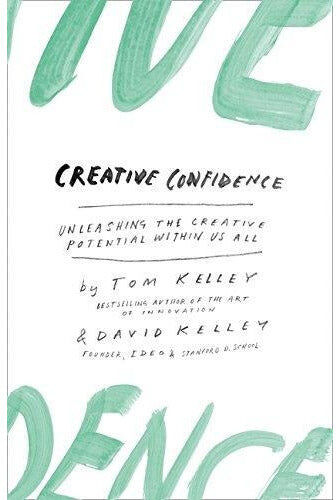
HARPERCOLLINS Creative Confidence by Tom & David Kelley – Unleashing Your Creative Potential & Innovation MindsetA powerful and inspiring book from the founders of IDEO, the award-winning design firm, on unleashing the creativity that lies within each and every one of us. Too often, companies and individuals assume that creativity and innovation are the domain of the ‘creative types’. But two of the foremost experts in innovation, design and creativity on the planet show us that each and every one of us is creative. In an entertaining and inspiring narrative that draws on countless stories from their work at IDEO, and with many of the world's top companies and design firms, David and Tom Kelley identify the principles and strategies that will allow us to tap into our creative potential in our work lives, and in our personal lives, allow us to think outside the box in terms of how we approach and solve problems. ‘Creative Confidence’ is a book that will help each of us be more productive and successful in our lives and in our careers.4,95 £*Shipping: 1,99 £Secure redirect to the provider
-
Are viruses living organisms?
Viruses are not considered living organisms because they lack the ability to carry out essential life processes on their own. They cannot reproduce, grow, or metabolize without a host cell. While they contain genetic material like DNA or RNA, they are unable to function independently and rely on host cells to replicate and survive. **
-
Are bacteria living organisms?
Yes, bacteria are living organisms. They are single-celled microorganisms that can be found in various environments, including soil, water, and inside the human body. Bacteria exhibit many of the characteristics of living organisms, such as the ability to reproduce, respond to their environment, and carry out metabolic processes to obtain energy. Therefore, they are considered to be living organisms. **
-
What are transgenic organisms?
Transgenic organisms are organisms that have had foreign genes inserted into their genetic material through genetic engineering techniques. These foreign genes can come from a different species and are typically inserted to give the organism a specific trait or characteristic, such as resistance to pests or diseases, or the ability to produce a certain protein. Transgenic organisms are commonly used in agriculture to improve crop yields and in medicine to produce pharmaceuticals. However, there is ongoing debate about the potential environmental and health impacts of transgenic organisms. **
-
What are eukaryotic organisms?
Eukaryotic organisms are organisms whose cells have a true nucleus, as well as other membrane-bound organelles such as mitochondria and the endoplasmic reticulum. These organisms can be single-celled or multicellular and include plants, animals, fungi, and protists. Eukaryotic cells are more complex than prokaryotic cells, which lack a true nucleus and membrane-bound organelles. Eukaryotic organisms are found in a wide range of environments and play crucial roles in ecosystems and the biosphere. **
* All prices are inclusive of VAT and, if applicable, plus shipping costs. The offer information is based on the details provided by the respective shop and is updated through automated processes. Real-time updates do not occur, so deviations can occur in individual cases. ** Note: Parts of this content were created by AI.